Fieseler Fi-156 Storch Art


Fi-156 Storch


The Fieseler Fi 156 Storch was a German liaison aircraft developed in the mid-1930s and became famous for its remarkable short takeoff and landing capabilities. First flown in 1936, the Storch was used during World War II for reconnaissance, liaison, and medical evacuation missions. Its large wings, fixed leading-edge slats, and long landing gear allowed it to fly at very low speeds. Around 2,900 aircraft were produced, and its distinctive appearance continues to attract aviation enthusiasts today. With its elegant lines and characteristic design, the Storch is also a popular subject in aviation art.

T-28 Trojan Box Art


T-28
Trojan


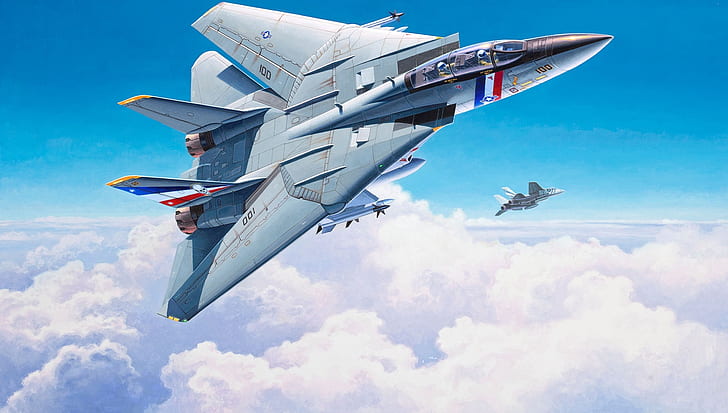
Aircraft box art is the artwork printed on the box of an aircraft model kit. It usually shows the aircraft in a dramatic scene, often flying, attacking a target, or engaged in combat.

Box art isn't just decoration. During the golden age of model kits, especially from the 1950s–1980s, the artwork was a major part of how manufacturers attracted buyers.


The T-28 Trojan was an American piston-engined trainer aircraft developed by North American Aviation and first flown in 1949.


It was designed to train pilots transitioning from basic trainers to high-performance aircraft such as jets.
During the Vietnam War, armed T-28s were also used for close air support, reconnaissance, and light attack missions.


With its rugged design and powerful radial engine, the T-28 became one of the most recognizable military trainers of the early Cold War era.